Choose a smart speaker for the ecosystem you already use. Echo Dot Max is the main Alexa pick, Google Nest Mini suits a compact Google Home setup, and HomePod (2nd generation) is the Apple choice. Echo Dot covers smaller Alexa rooms; Sonos Roam 2 adds portability.
Your phones, music service, existing smart-home devices and other speakers determine what will work together. Choose Alexa, Gemini for Home or Siri first; then choose the enclosure and room placement.
Our top 5 picks

Echo Dot Max
Best Alexa speaker
A room-filling Alexa option for a main living space.

Echo Dot
Best compact Alexa option
A smaller Alexa speaker for a bedroom or secondary room.
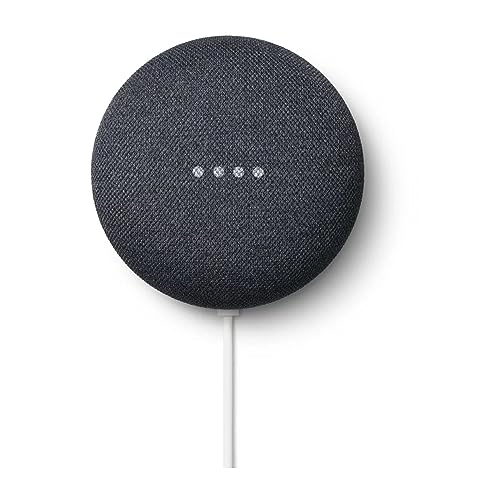
Google Nest Mini
Best Google option
A compact choice for an existing Google Home household.
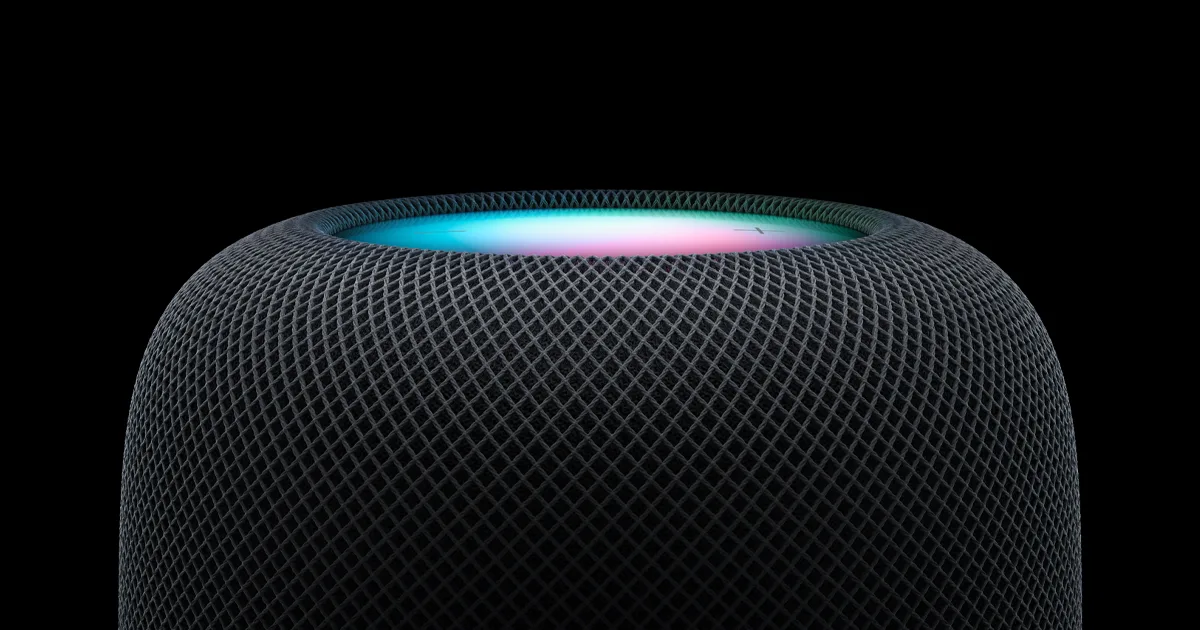
Apple HomePod (2nd generation)
Best Apple speaker
A Siri-first choice for an Apple household and Apple Music setup.

Sonos Roam 2
Best portable
Portable Wi-Fi and Bluetooth listening for use around the home.
In This Article
- Our top 5 picks
- Our direct answer
- Comparison table
- Five reviews
- Alexa vs Google vs Apple
- Sound and multi-room
- Privacy and smart-home control
- Final verdict
- FAQs
Best Smart Speakers: Our Direct Answer
Choose Echo Dot Max for a main Alexa room or Echo Dot for a compact secondary space. Nest Mini is the Google Home choice in this shortlist; confirm the voice features available to your household before buying. HomePod suits Apple users, while Sonos Roam 2 makes sense when portability matters.
HomePod (2nd generation) is the complete recommendation for Apple households: Apple confirms its high-excursion woofer, five-tweeter array, room sensing, Spatial Audio, temperature and humidity sensor, Thread support and smart-home-hub role. Sonos Roam 2 is the portable alternative, with IP67 protection, AirPlay 2, Bluetooth and up to 10 hours of playback.

Smart Speakers at a Glance
| Speaker | Best for | Assistant | Key detail | Main limitation |
|---|---|---|---|---|
| Amazon Echo Dot Max | Best overall Alexa speaker | Alexa | Built-in smart-home hub | Mains powered |
| Amazon Echo Dot | Best compact Alexa speaker | Alexa | Compact Wi-Fi speaker | No display |
| Google Nest Mini | Best compact Google option | Google Assistant; Gemini rollout | Compact wall-mountable design | Older compact hardware |
| Apple HomePod (2nd generation) | Best Apple speaker | Siri | Room sensing; Spatial Audio | Best suited to Apple households |
| Sonos Roam 2 | Best portable speaker | Sonos / Alexa | IP67; up to 10-hour battery | Smart features need Wi-Fi |
The comparison uses stable ecosystem and hardware details rather than fixed prices.
The Five Best Smart Speakers Reviewed
1. Amazon Echo Dot Max — Best overall Alexa speaker
The Echo Dot Max is the best overall choice for an Alexa-centred home. It is positioned above the standard Dot, and the built-in smart-home hub makes it the more capable starting point for compatible connected devices. That reduces the need to buy the cheapest speaker first and replace it as the setup grows.
Buy it for a living room, kitchen or larger home office where a basic compact speaker would be asked to do too much. The trade-off is that it remains tied to mains power and the Alexa ecosystem; households already invested in Google Home or Apple Home should not switch platforms for one speaker.
2. Amazon Echo Dot — Best compact Alexa speaker
The standard Echo Dot is the sensible secondary-room Alexa speaker. It handles voice requests, timers, radio and compatible smart-home routines without taking much surface space. It also works well as part of a wider Alexa multi-room setup when the main music listening happens elsewhere.
It is not the pick for buyers who expect one small speaker to fill a large open-plan room. Choose it for a bedroom, study or kitchen voice point, and check the selected colour before checkout because the product family is sold in several finishes.
3. Google Nest Mini — Best compact Google option
The Nest Mini is the compact Google option for extending Gemini for Home voice access into another room. Google says Gemini for Home replaces Google Assistant across existing speakers and displays, which keeps the small Nest hardware relevant where size matters more than music scale.
It remains older compact hardware and is better treated as an assistant endpoint than the only music speaker in a large room. Availability, seller, UK plug, condition and Gemini feature access should all be checked before ordering.
4. Apple HomePod (2nd generation) — Best Apple speaker
HomePod (2nd generation) is the best Apple speaker and the core Apple ecosystem recommendation. Apple’s current UK HomePod page specifies a high-excursion woofer, five beamforming tweeters, room sensing and Spatial Audio, plus Siri, Apple Music, AirPlay, stereo pairing and multi-room playback.
It is the strongest fit for households already using iPhone, Apple TV and Apple Home. Apple also lists Thread networking, temperature and humidity sensing, and smart-home-hub functions. Android-first or mixed-platform households should check service support before committing.
5. Sonos Roam 2 — Best portable speaker
The Sonos Roam 2 is the portable choice. The official Sonos specification confirms Bluetooth, Wi-Fi, AirPlay 2, IP67 protection, Alexa support and up to 10 hours of playback. It suits a household that values portability more than a permanently placed assistant.
Portability brings different compromises: battery charging, wireless conditions and service support all matter. Alexa and multi-room functions require compatible setup and connectivity, while Bluetooth use away from Wi-Fi is a more basic speaker experience.
Alexa vs Google vs Apple
Choose Alexa for an Amazon-led setup
Alexa is the easiest fit when Echo speakers, Ring devices and Alexa routines already run the home. Echo Dot Max is the main Alexa recommendation; Echo Dot covers smaller rooms. Check exact device compatibility rather than assuming every product supports every Alexa feature.
Choose Gemini for Home for Google households
Google describes its Gemini for Home rollout across existing speakers. Availability and features can vary by device and account, so check what your Nest Mini currently supports before making voice features the deciding factor.
Choose Siri and HomePod for Apple households
HomePod (2nd generation) is the coherent choice when Siri, Apple Music, AirPlay, Apple TV and Apple Home are the priority. Mixing assistants can create duplicate room names, separate automations and confusing commands. Our smart-home ecosystem comparison covers the wider trade-offs, and our speaker-selection guide goes deeper on platform choice.
Where Sonos fits
Sonos is strongest as an audio platform that can also work with selected voice and streaming services. Roam 2 supports Sonos Voice Control, Alexa and AirPlay 2 on Wi-Fi, while Bluetooth covers direct portable playback.
Sound, Rooms and Multi-Room Setup
Match the speaker to the room
A compact speaker works well for close-range speech, timers and background radio. Larger rooms and louder music call for a larger model or a planned pair. Placement matters: avoid boxing a speaker into a cabinet, pushing it into a corner without checking the manufacturer’s guidance or covering microphones.
Stereo pairs and groups are different
A stereo pair assigns left and right channels to compatible matching speakers. A multi-room group plays synchronised audio across rooms. Compatibility rules vary by platform and generation, so do not assume two speakers from the same brand can always form every type of pair.
Plan room names before setup and keep them consistent across apps. Our multi-room audio guide explains grouping, Wi-Fi placement and common sync problems.
Privacy and Smart-Home Control
Use the physical controls
Learn where the microphone-off control is and check its indicator rather than relying on memory. Check each device’s microphone control and status indicator; HomePod settings are managed through Apple Home. Review voice history, household profiles and purchasing permissions. The Information Commissioner’s Office guidance on smart devices explains practical privacy steps.
A speaker is not automatically a universal hub
Some speakers include radios or hub functions for compatible devices; others control products through cloud accounts or a separate bridge. Matter improves interoperability, but feature support still depends on the controller, device type and manufacturer. The Connectivity Standards Alliance overview of Matter explains the standard’s role.
Before buying switches, sensors or cameras, check the exact protocol and required hub. Our guides to using a smart speaker as a hub, integrating smart-home devices and smart-speaker privacy controls cover the setup in more detail.
Which Smart Speaker Should You Buy?
Choose Echo Dot Max for Alexa, Nest Mini for a compact Google Home setup, or HomePod (2nd generation) for Siri and Apple Home. Echo Dot is the smaller Alexa pick and Sonos Roam 2 is the portable choice.
The ecosystem decision comes first. The best smart speaker is the one that matches the household’s phones, music services, automations and room—not the one with the longest feature list.
Frequently Asked Questions
Which smart speaker is best for most UK homes? Choose by ecosystem: Echo Dot Max for Alexa, Nest Mini for Google Home or HomePod (2nd generation) for an Apple household. Sonos Roam 2 suits portable listening.
What voice assistant does Google Nest Mini use? Google is rolling out Gemini for Home to existing speakers. Check the features currently available to your device and account; rollout timing and capabilities can differ.
Can Alexa, Gemini and Siri speakers work together? They can share a network, but assistants, groups, routines and hand-off do not merge into one universal system. Mixing platforms usually means managing separate apps.
Can a smart speaker control every smart-home device? No. Compatibility depends on the assistant, device, protocol, controller and hub requirements. Confirm the exact combination before buying.
Can I use two smart speakers as a stereo pair? Often, but only with supported matching models in the same ecosystem. A multi-room group is not necessarily a left-right stereo pair.